

Hey there! As a supplier of Food Vacuum Freeze Dryer, I often get asked a bunch of questions about what our machines can and can't do. One question that's popped up quite a bit lately is, "Can a food vacuum freeze dryer dry coffee beans?" Well, let's dig into this topic and find out.

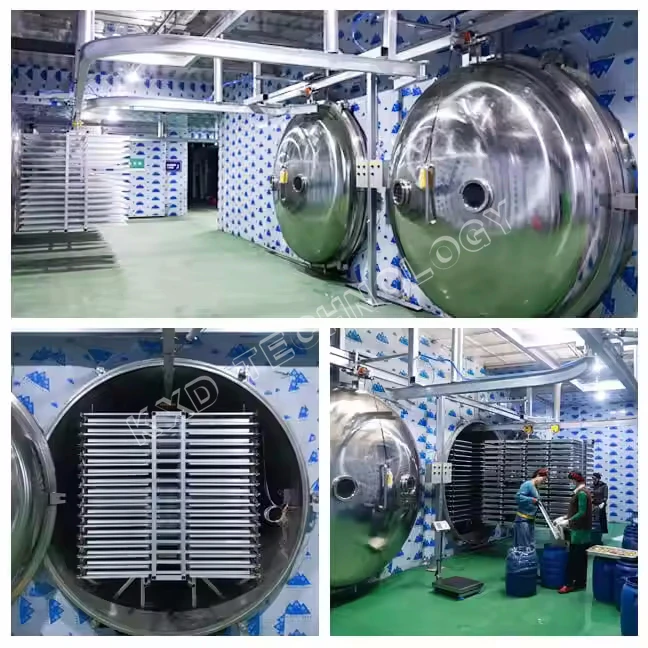
First off, let's understand what a food vacuum freeze dryer is all about. A Multi - function Vacuum Freeze Dryer Machine works by freezing the material first and then reducing the pressure around it. This allows the ice in the material to sublimate, which means it changes directly from a solid (ice) to a gas (vapor) without passing through the liquid phase. This process helps to preserve the nutritional value, flavor, and shape of the product being dried.
Now, let's talk about coffee beans. Coffee beans are a bit of a unique commodity. They have a complex chemical composition that includes things like water, oils, acids, and various flavor - compounds. When it comes to drying coffee beans, the goal is to remove the moisture content while retaining as much of the flavor and aroma as possible.
So, can a food vacuum freeze dryer do the job? The short answer is yes, but there are some factors to consider.
Advantages of using a food vacuum freeze dryer for coffee beans
1. Flavor retention
One of the biggest advantages of using a vacuum freeze dryer is its ability to preserve the flavor of the coffee beans. Since the sublimation process happens at low temperatures, it minimizes the chances of heat - induced chemical reactions that can break down the flavor - compounds. This means that the coffee made from freeze - dried beans can have a more intense and authentic flavor compared to beans dried using other methods like air - drying or sun - drying.
2. Nutritional value preservation
Coffee beans contain antioxidants and other beneficial compounds. The low - temperature drying process of a vacuum freeze dryer helps to keep these compounds intact. In contrast, high - heat drying methods can destroy some of these valuable nutrients.
3. Long - term storage
Freeze - dried coffee beans have a much longer shelf - life. Once the moisture is removed, there's less chance of mold growth or spoilage. This is great for coffee producers who want to store their beans for an extended period without worrying about quality degradation.
Challenges of using a food vacuum freeze dryer for coffee beans
1. Cost
Food vacuum freeze dryers are generally more expensive to purchase and operate compared to traditional drying methods. The initial investment in the equipment can be quite high, and the energy costs associated with running the machine can also add up over time.
2. Processing time
The freeze - drying process is relatively slow. It can take several hours or even days to completely dry a batch of coffee beans. This might not be ideal for large - scale coffee producers who need to process large volumes of beans quickly.
3. Bean structure
Coffee beans have a hard outer shell. While the vacuum freeze dryer can remove the moisture from the inside of the bean, there's a risk that the outer shell might crack or break during the process. This can affect the appearance and potentially the quality of the beans.
How to optimize the process
If you're considering using a food vacuum freeze dryer for your coffee beans, here are some tips to get the best results.
1. Pre - treatment
Before putting the coffee beans into the freeze dryer, it's a good idea to pre - cool them. This can help to speed up the initial freezing process inside the machine. You can also sort the beans to remove any damaged or unripe ones, as these can affect the overall quality of the batch.
2. Temperature and pressure control
Proper control of the temperature and pressure settings in the freeze dryer is crucial. You need to find the right balance to ensure efficient sublimation without damaging the beans. It might take some trial and error to figure out the ideal settings for your specific type of coffee beans.
3. Post - processing
After the freeze - drying process is complete, it's important to handle the beans carefully. You should store them in air - tight containers to prevent moisture from getting back in. Also, consider doing some quality checks to make sure the beans meet your standards.
Real - world examples
There are some coffee producers out there who have started using food vacuum freeze dryers with great success. Small - batch specialty coffee roasters, in particular, have been drawn to the technology because of its ability to enhance the flavor of their beans. These roasters often target customers who are willing to pay a premium for high - quality, unique - tasting coffee.
Conclusion
In conclusion, a food vacuum freeze dryer can definitely dry coffee beans, and it offers some significant advantages in terms of flavor retention, nutritional value preservation, and long - term storage. However, it also comes with its own set of challenges, mainly related to cost and processing time.
If you're a coffee producer looking to take your coffee to the next level in terms of quality, a Food Vacuum Freeze Dryer or a Multi - function Vacuum Freeze Dryer Machine might be worth considering. Whether you're a small - scale artisanal roaster or a large - scale producer, we're here to help you find the right solution for your needs.
If you're interested in learning more about our food vacuum freeze dryers or want to discuss how they can be used for your coffee - drying process, don't hesitate to reach out. We'd love to have a chat and see how we can assist you in achieving the best results for your coffee beans.
References
- "Coffee: Chemistry, Quality and Health Effects" by various authors
- "Principles of Food Freezing and Drying" textbooks