

Hey there! As a supplier of Steam Retort Machine, I often get asked if our machines can be used for pet food processing. And the answer is a resounding yes! In this blog post, I'll dive into the details of how steam retort machines can be a game - changer in the pet food industry.
What is a Steam Retort Machine?
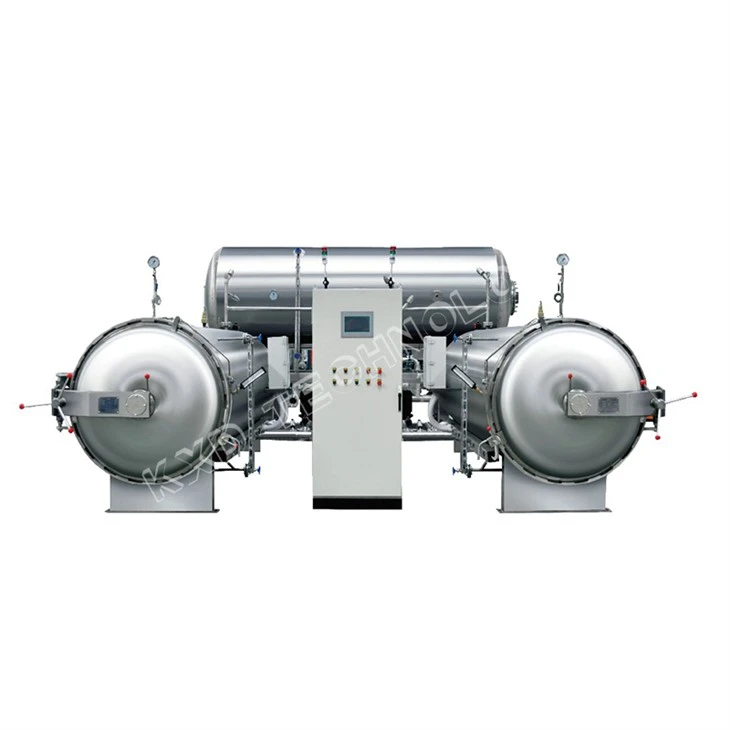
First things first, let's quickly go over what a steam retort machine is. A steam retort machine is a piece of equipment that uses steam under pressure to heat and process food products. It's a well - established technology in the food industry, and it's been around for ages. The basic principle is simple: you put your product inside the retort, seal it up, and then use steam to raise the temperature and pressure inside. This helps in achieving things like sterilization, cooking, and extending the shelf - life of the food.
Why Pet Food Industry Can Benefit from Steam Retort Machines
1. Sterilization
One of the most important aspects of pet food processing is ensuring that the food is safe for our furry friends. Bacteria, viruses, and other pathogens can pose a serious threat to pets' health. A steam retort machine can reach high temperatures (usually above 100°C) under pressure, which effectively kills off these harmful microorganisms. This is crucial for producing high - quality, safe pet food. For example, if you're making canned pet food, the retort process can eliminate any potential spoilage organisms, ensuring that the food remains fresh and safe for consumption even after long - term storage.

2. Cooking and Texture Improvement
Steam retort machines are also great for cooking pet food. They can cook the ingredients evenly and thoroughly, which is important for both nutrition and palatability. When you cook pet food in a retort, the heat penetrates the food uniformly, breaking down the tough fibers in meats and making the food easier to digest for pets. Moreover, the retort process can enhance the texture of the pet food. For instance, it can give a nice, firm texture to canned meat - based pet foods, which many pets seem to prefer.
3. Shelf - Life Extension
In the pet food business, having a long shelf - life is a big advantage. It allows for better inventory management and reduces the risk of food waste. Steam retort machines can significantly extend the shelf - life of pet food. By sterilizing the food and sealing it in air - tight containers, the retort process prevents the growth of spoilage organisms and oxidation. This means that pet food can be stored for months or even years without losing its quality, which is a huge plus for both manufacturers and retailers.
Types of Steam Retort Machines Suitable for Pet Food Processing
Rotary Water Spray Retort
The rotary water spray retort is a popular choice for pet food processing. This type of retort has a rotating mechanism that helps in achieving more uniform heat distribution. As the cans or pouches of pet food rotate inside the retort, the water spray ensures that every part of the product gets heated evenly. This is especially important when dealing with products of different shapes and sizes. For example, if you're processing a variety of canned pet foods with different meat chunks and vegetables, the rotary water spray retort can make sure that all the ingredients are cooked and sterilized properly.
Considerations When Using Steam Retort Machines for Pet Food Processing
1. Product Formulation
The formulation of the pet food matters a lot when using a steam retort machine. Different ingredients have different heat transfer properties. For example, foods with a high fat content may require a different retort process compared to those with a high protein or carbohydrate content. You need to adjust the temperature, pressure, and processing time according to the specific formulation of your pet food to ensure optimal results.
2. Packaging
The type of packaging you use is also crucial. Whether you're using cans, pouches, or other containers, they need to be able to withstand the high - pressure and high - temperature environment inside the retort. For example, cans need to have a good seal to prevent any leakage during the retort process. Pouches should be made of materials that can resist the heat and pressure without bursting or delaminating.
3. Quality Control
Quality control is essential when using a steam retort machine for pet food processing. You need to regularly monitor the temperature, pressure, and processing time inside the retort to ensure that the pet food is being processed correctly. Additionally, you should conduct regular microbiological and sensory tests on the processed pet food to check for any signs of spoilage or quality issues.
Real - World Applications
Many pet food manufacturers are already using steam retort machines in their production lines. For example, large - scale pet food companies that produce canned wet foods rely heavily on retort technology. These companies can produce thousands of cans of pet food every day, all thanks to the efficiency and reliability of steam retort machines. Smaller, artisanal pet food producers are also starting to adopt retort technology. They can use smaller - scale retort machines to produce high - quality, limited - batch pet foods that are popular among pet owners who are looking for more natural and healthy options for their pets.
Conclusion
So, to sum it all up, a steam retort machine is definitely a valuable tool for pet food processing. It offers numerous benefits, from sterilization and cooking to shelf - life extension. Whether you're a large - scale pet food manufacturer or a small - scale producer, investing in a steam retort machine can help you improve the quality of your pet food and stay competitive in the market.
If you're interested in learning more about how our Steam Retort Machine can fit into your pet food processing needs, or if you want to discuss specific requirements, don't hesitate to reach out. We're here to help you make the most of this great technology in your pet food business.
References
- "Food Processing Technology: Principles and Practice" by P. F. Fellows
- "Handbook of Food Preservation" edited by M. S. Rahman