

Tempura is a beloved Japanese dish known for its light, crispy exterior and tender, flavorful interior. A key factor in achieving the perfect tempura is the batter thickness, which can significantly impact the final texture and taste of the fried food. As a supplier of Tempura Battering Machines, I understand the importance of getting the batter thickness just right. In this blog post, I will share some insights on how to adjust the batter thickness in a Tempura Battering Machine to help you create delicious tempura every time.
Understanding the Basics of Tempura Batter
Before diving into the details of adjusting the batter thickness, it's essential to understand the basic components of tempura batter. Typically, tempura batter consists of flour, water, and sometimes eggs. The ratio of these ingredients determines the thickness and consistency of the batter. A thinner batter will result in a lighter, more delicate coating, while a thicker batter will create a heavier, crunchier crust.
The type of flour used can also affect the batter's texture. Cake flour or low - protein flour is often preferred for tempura batter as it produces a lighter and more tender coating compared to all - purpose flour, which has a higher protein content.
Factors Affecting Batter Thickness in a Tempura Battering Machine
Several factors can influence the batter thickness when using a Tempura Battering Machine.
Ingredient Ratios
The most obvious factor is the ratio of flour to water. If you want a thinner batter, you can increase the amount of water relative to the flour. Conversely, to make the batter thicker, add more flour. For example, a common ratio for a light tempura batter is 1 part flour to 1.25 parts water. However, this can be adjusted based on personal preference.
Temperature
The temperature of the batter and the machine itself can also impact the thickness. Cold batter tends to be thicker than warm batter. In a Tempura Battering Machine, the temperature of the batter reservoir and the circulating system can affect the flow and consistency of the batter. If the batter is too cold, it may become too thick and clog the machine's nozzles or pipes. On the other hand, if it's too warm, the batter may be too thin and not adhere well to the food.
Machine Settings
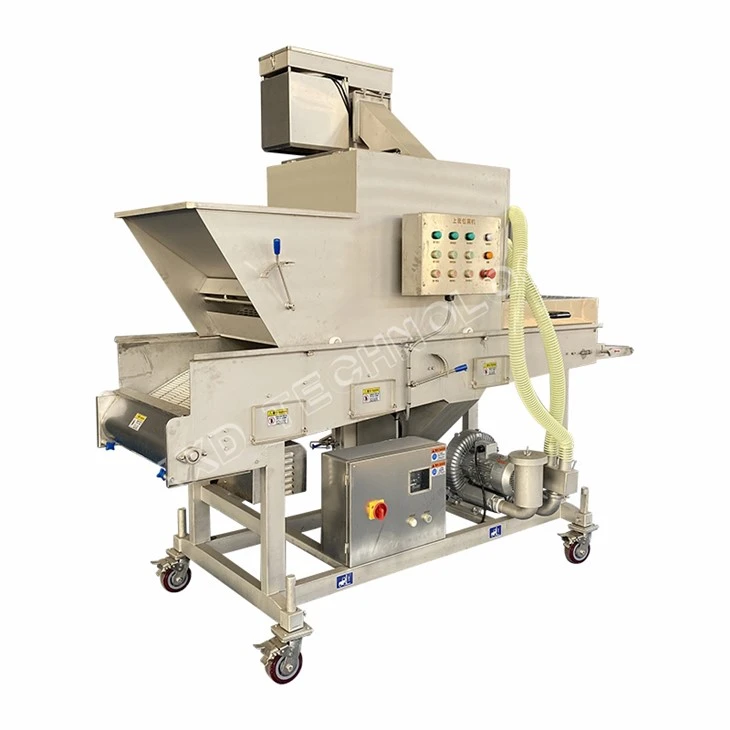
Modern Tempura Battering Machines come with various settings that can control the batter's flow rate and application. The speed at which the batter is pumped through the machine, the pressure applied, and the size of the nozzles can all influence how thick the batter is applied to the food. For instance, a higher pump speed may result in a thinner layer of batter, while a lower speed can deposit a thicker layer.

Step - by - Step Guide to Adjusting Batter Thickness
Step 1: Prepare the Batter
Start by mixing the basic batter ingredients in a large bowl. Begin with a standard ratio, such as 1 cup of flour to 1.25 cups of water. Whisk the ingredients together until just combined, being careful not to over - mix as this can develop the gluten in the flour and make the batter tough.
Step 2: Test the Initial Batter
Before loading the batter into the Tempura Battering Machine, take a small sample of the batter and dip a piece of test food (such as a slice of vegetable or a small piece of shrimp) into it. Observe how the batter coats the food. If the batter is too thin and drips off easily, it needs to be thickened. If it's too thick and clumps on the food, it should be thinned.
Step 3: Adjust the Ingredient Ratios
If the batter is too thin, gradually add small amounts of flour to the batter and whisk it in. Start with about a tablespoon at a time and test the batter again after each addition. If the batter is too thick, add small amounts of water, also starting with a tablespoon, and mix well before testing.
Step 4: Consider the Temperature
Check the temperature of the batter. If it's too cold, you can let it sit at room temperature for a few minutes to warm up slightly. If it's too warm, you can place the batter container in an ice bath for a short period to cool it down.
Step 5: Adjust the Machine Settings
Once you have the batter at the desired consistency, load it into the Tempura Battering Machine. If the batter is still not being applied at the right thickness, you can adjust the machine settings. If the batter is being applied too thinly, you can reduce the pump speed or increase the pressure. If it's too thick, increase the pump speed or decrease the pressure.
Advanced Tips for Optimal Batter Thickness
Use a Viscosity Measuring Device
For more precise control, you can use a viscosity measuring device, such as a viscometer. This tool can accurately measure the thickness or viscosity of the batter, allowing you to make more informed adjustments.
Keep a Record
Maintain a record of the ingredient ratios, machine settings, and temperature for each batch of batter. This will help you replicate successful results in the future and troubleshoot any issues that may arise.
Consider the Type of Food
Different types of food may require different batter thicknesses. For example, delicate items like scallops or small shrimp may benefit from a thinner batter, while larger, heartier vegetables may need a slightly thicker coating.
Related Machines for Battering and Coating
In addition to Tempura Battering Machines, we also offer a range of other coating machines that can be used in conjunction with or as alternatives to tempura battering.
The Batter Breading Machine is a versatile machine that can be used to apply both batter and breading to food products. It offers flexibility in coating thickness and can handle a variety of food shapes and sizes.
Our Automatic Batter Breading Machine provides an automated solution for high - volume production. It can accurately control the batter and breading application, ensuring consistent results every time.
The Bread Crumb Coating Machine is specifically designed for applying bread crumbs to food. It can create a uniform and crispy coating, perfect for chicken tenders, fish fillets, and more.
Conclusion
Adjusting the batter thickness in a Tempura Battering Machine is a combination of understanding the basic principles of batter preparation, considering the factors that affect thickness, and making precise adjustments to both the batter and the machine settings. By following the steps and tips outlined in this blog post, you can achieve the perfect batter thickness for your tempura, resulting in delicious, crispy, and evenly coated food.
If you're interested in purchasing a Tempura Battering Machine or any of our other coating machines, we encourage you to contact us for more information and to discuss your specific needs. Our team of experts is ready to assist you in finding the right equipment for your business.
References
- "The Tempura Handbook" by Japanese Cuisine Institute
- "Food Coating Technology" by industry research publications