

Hey there! As a supplier of potato chips making machines, I often get asked about how to check the performance of these machines. It's crucial to ensure that your machine is working at its best to produce high - quality potato chips efficiently. In this blog, I'll share some tips on how to do just that.
1. Pre - operation Inspection
Before you start the machine, it's essential to do a thorough pre - operation inspection. First, check the physical condition of the machine. Look for any visible signs of damage, such as cracks, dents, or loose parts. A damaged machine can not only affect the quality of the chips but also pose a safety risk.
Next, examine the electrical connections. Make sure all the wires are properly connected and there are no signs of fraying or short - circuits. Faulty electrical connections can lead to malfunctions or even electrical hazards.
Also, check the lubrication of moving parts. Proper lubrication reduces friction and wear, which helps the machine run smoothly. If the lubrication is insufficient, it can cause the parts to overheat and break down over time.
2. Testing the Cutting Mechanism
The cutting mechanism is one of the most important parts of a potato chips making machine. It determines the thickness and shape of the chips. To test it, start the machine and feed a few potatoes into it. Observe the cut chips carefully.
The chips should have a consistent thickness. If the thickness varies, it could indicate a problem with the cutting blades. They might be dull or misaligned. Dull blades can tear the potatoes instead of cutting them cleanly, resulting in uneven chips.

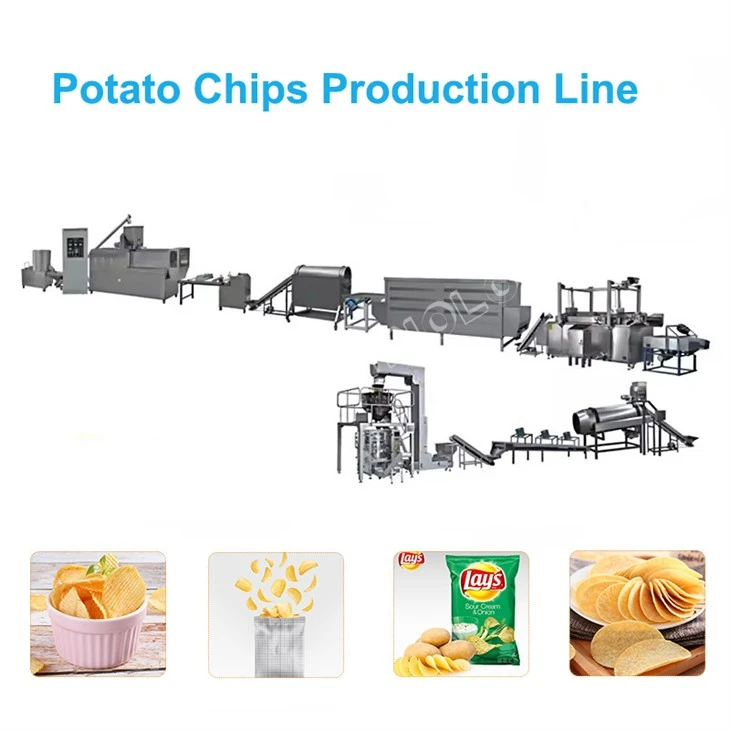
The shape of the chips is also crucial. They should be uniform and free from jagged edges. If you notice any irregularities in the shape, it's time to adjust or replace the cutting parts.
3. Evaluating the Frying System
The frying system is where the magic happens. It's responsible for giving the chips their crispy texture and delicious flavor. To check its performance, monitor the temperature of the frying oil.
The ideal frying temperature for potato chips is usually between 170 - 190 degrees Celsius. Use a reliable thermometer to measure the oil temperature. If the temperature is too low, the chips will absorb too much oil and become greasy. On the other hand, if the temperature is too high, the chips will burn on the outside while remaining raw on the inside.
Also, pay attention to the oil circulation. The oil should circulate evenly throughout the frying chamber. Poor oil circulation can lead to uneven frying, with some chips being overcooked and others undercooked.
4. Assessing the Conveyor System
The conveyor system transports the chips through different stages of the production process. It's important to ensure that it's working properly. Start by checking the speed of the conveyor. It should be consistent and adjustable according to your production needs.
If the conveyor moves too fast, the chips might not be cooked properly. If it moves too slowly, it can cause a bottleneck in the production line.
Also, make sure the conveyor is clean and free from any debris. Any dirt or leftover chips on the conveyor can contaminate the new batch of chips.
5. Analyzing the Output Quality
The final test is to analyze the quality of the output chips. Taste a few chips to check their flavor, texture, and crispiness. The chips should have a balanced flavor, not too salty or too bland.
The texture should be crispy on the outside and soft on the inside. If the chips are too hard or too soggy, it could be a sign of problems with the frying or drying process.
Check the color of the chips as well. They should have a golden - brown color. Dark - colored chips might be overcooked, while pale chips might be undercooked.
6. Monitoring the Production Capacity
Another important aspect of performance is the production capacity of the machine. Keep track of how many chips the machine can produce in a given time. Compare it with the manufacturer's specifications.
If the actual production capacity is significantly lower than the stated capacity, there could be an issue with the machine. It might be due to a clog in the system, a problem with the feeding mechanism, or other mechanical issues.
7. Checking the Cleaning and Maintenance Requirements
A good potato chips making machine should be easy to clean and maintain. After a production run, check how easy it is to disassemble the machine for cleaning. The parts should be accessible and not too difficult to remove.
The machine should also have clear instructions for maintenance. Regular maintenance, such as blade sharpening, oil changes, and part replacements, is essential to keep the machine in good working condition.
Related Products
If you're interested in other related products, we also offer French Fries Making Machine and French Fries Production Line. These products are designed to meet different production needs and can be a great addition to your potato processing business. We also have Potato Chips Machine Automatic, which offers high - efficiency and automated production.
Conclusion
Checking the performance of a potato chips making machine is a comprehensive process that involves inspecting different parts of the machine and analyzing the output quality. By following these steps, you can ensure that your machine is working at its best and producing high - quality chips.
If you're in the market for a new potato chips making machine or need to upgrade your existing one, don't hesitate to contact us. We're here to help you find the perfect machine for your business and provide you with the best after - sales service.
References
- Smith, J. (2020). Potato Processing Machinery: A Guide to Performance Evaluation. Food Processing Journal.
- Brown, A. (2019). Optimizing the Performance of Potato Chips Making Machines. Industrial Food Technology Review.