

Freeze - drying is a remarkable preservation method that has revolutionized the food industry, especially when it comes to seafood. As a supplier of high - quality freeze dryers, I'm excited to share with you a comprehensive guide on how to freeze - dry seafood using our freeze dryers.
Understanding the Freeze - Drying Process
Before diving into the process of freeze - drying seafood, it's essential to understand the science behind freeze - drying. Freeze - drying, also known as lyophilization, involves three main stages: freezing, primary drying (sublimation), and secondary drying.
In the freezing stage, the seafood is rapidly cooled to a very low temperature. This solidifies the water within the seafood into ice. The low temperature helps to preserve the cellular structure of the seafood, maintaining its taste, texture, and nutritional value.
The primary drying stage is sublimation, where the frozen water in the seafood turns directly from ice to vapor without passing through the liquid phase. This is achieved by reducing the pressure in the freeze dryer chamber and applying heat. During sublimation, most of the water is removed from the seafood.

The secondary drying stage further removes the remaining bound water in the seafood. This ensures that the seafood is completely dried and can be stored for an extended period.
Preparing the Seafood for Freeze - Drying
The first step in freeze - drying seafood is to select high - quality, fresh seafood. Look for seafood that is free of any signs of spoilage, such as a foul odor, discoloration, or slimy texture. The type of seafood you can freeze - dry is quite diverse, including fish like salmon, cod, and tuna, as well as shellfish like shrimp, crab, and scallops.
Once you've selected the seafood, it needs to be properly cleaned. For fish, scale and gut them, then rinse them thoroughly under cold water. Remove the head and fins if desired. For shellfish, remove the shells and clean the meat. Cut the seafood into uniform pieces, as this will ensure more even freezing and drying. The ideal size of the pieces depends on the type of seafood, but generally, they should be no thicker than 1 - 2 inches.
Loading the Seafood into the Freeze Dryer
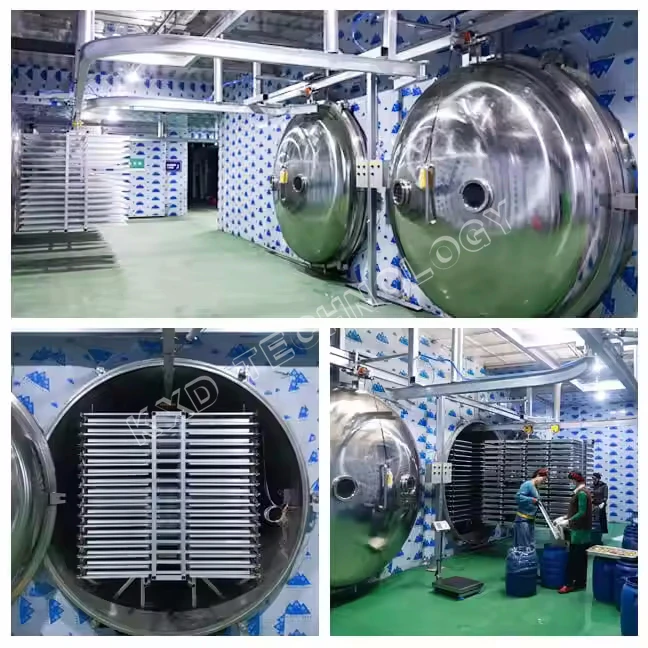
After the seafood is prepared, it's time to load it into the freeze dryer. Our Food Vacuum Freeze Dryer is designed with a large chamber that can accommodate a significant amount of seafood. Place the prepared seafood pieces on the drying trays, making sure they are evenly spaced and not touching each other. This allows for better air circulation and more efficient drying.
Setting the Freeze - Drying Parameters
The next crucial step is to set the appropriate parameters on the freeze dryer. The freezing temperature for seafood typically ranges from - 40°C to - 50°C. This low temperature ensures that the water in the seafood freezes quickly, preventing the formation of large ice crystals that could damage the cellular structure of the seafood.
Once the seafood is frozen, the primary drying (sublimation) stage begins. The pressure in the chamber needs to be reduced to a very low level, usually around 0.01 - 0.1 millibars. The temperature during sublimation can be gradually increased, but it should still be kept relatively low, typically around - 10°C to 10°C, depending on the type of seafood.
The secondary drying stage requires a slightly higher temperature, usually around 20°C to 30°C, to remove the remaining bound water. The duration of each stage depends on various factors, such as the type and quantity of seafood, the size of the pieces, and the specific model of the freeze dryer. Our Multi - function Vacuum Freeze Dryer Machine allows for precise control of these parameters, ensuring optimal results.
Monitoring the Freeze - Drying Process
Throughout the freeze - drying process, it's important to monitor the temperature, pressure, and the overall progress of drying. Our freeze dryers are equipped with advanced sensors and control panels that provide real - time data on these parameters. You can easily check the status of the drying process and make any necessary adjustments.
During the primary drying stage, you'll notice a significant reduction in the weight of the seafood as the water is sublimated. Monitor the drying rate and make sure it's within the expected range. If the drying rate is too slow, it may be necessary to adjust the temperature or pressure slightly.
In the secondary drying stage, pay close attention to the moisture content of the seafood. You can use a moisture meter to ensure that the seafood has reached the desired moisture level, which is typically around 2 - 5% for long - term storage.
Unloading and Storing the Freeze - Dried Seafood
Once the freeze - drying process is complete, allow the freeze dryer to cool down before unloading the seafood. Carefully remove the dried seafood from the trays. The freeze - dried seafood should be light, crispy, and have a long shelf life.
Store the freeze - dried seafood in airtight containers. Keep them in a cool, dry place away from direct sunlight. Properly stored freeze - dried seafood can last for several years without losing its nutritional value, flavor, or texture.
Advantages of Using Our Freeze Dryers for Seafood
Our freeze dryers offer several advantages for freeze - drying seafood. Firstly, they are designed with high - quality components that ensure reliable and efficient operation. The advanced temperature and pressure control systems allow for precise customization of the freeze - drying process, resulting in excellent quality freeze - dried seafood.
Secondly, our freeze dryers are energy - efficient, which helps to reduce operating costs in the long run. They are also easy to clean and maintain, ensuring a hygienic environment for food processing.
Contact Us for Procurement
If you're interested in purchasing a freeze dryer for seafood processing or have any questions about the freeze - drying process, feel free to contact us. Our team of experts is ready to provide you with detailed information and assist you in choosing the right freeze dryer for your needs.
We offer a range of freeze dryers, including the Food Vacuum Freeze Dryer and the Multi - function Vacuum Freeze Dryer Machine, which are suitable for different scales of seafood processing. Whether you're a small - scale producer or a large - scale food company, we have the perfect solution for you.
References
- King, C. J. (1978). Lyophilization: Introduction and Basic Principles. In Freeze - drying and advanced food technology (pp. 3 - 39). Academic Press.
- Masters, K. (1979). Spray Drying Handbook. John Wiley & Sons.
- Treybal, R. E. (1980). Mass - Transfer Operations. McGraw - Hill.