

Hey there! As a supplier of batter breading machines, I've seen my fair share of clogging issues. It's a common headache for anyone using these machines, but don't worry - I've got some tips and tricks to help you prevent clogging and keep your machine running smoothly.
Understanding the Causes of Clogging
Before we dive into the prevention methods, let's first understand what causes clogging in a batter breading machine. There are several factors that can contribute to this problem:
- Ingredient Quality: Low - quality batter or breading ingredients can contain large particles, lumps, or impurities. These can easily get stuck in the machine's pipes, nozzles, or conveyor belts. For example, if the flour you use has clumps in it, it will likely cause blockages.
- Machine Design and Maintenance: Some machines may have design flaws that make them more prone to clogging. Also, lack of regular maintenance, such as not cleaning the machine properly after each use, can lead to the build - up of batter and breading residue over time, eventually causing blockages.
- Overloading: If you put too much food or too thick a layer of batter or breading into the machine at once, it can overwhelm the system and cause clogging. This is especially common when operators try to speed up the production process.
Prevention Methods
1. Choose High - Quality Ingredients
Using high - quality batter and breading ingredients is crucial. Make sure the flour, breadcrumbs, and other components are fine and free of lumps. You can sift the dry ingredients before using them to remove any large particles. For instance, if you're making a Bread Crumb Coating Machine, sifting the breadcrumbs will ensure a smooth flow through the machine.
2. Regular Machine Maintenance
- Daily Cleaning: After each use, thoroughly clean the machine. Start by removing any remaining batter or breading from the hoppers, conveyors, and nozzles. Use warm, soapy water and a soft brush to clean the parts. For hard - to - reach areas, you can use a pipe cleaner or a small cleaning tool.
- Lubrication: Check the moving parts of the machine regularly and lubricate them as recommended by the manufacturer. This will ensure smooth operation and reduce the chance of clogging caused by friction.
- Inspection: Periodically inspect the machine for any signs of wear and tear. Replace any damaged parts immediately to prevent them from causing blockages.
3. Proper Loading
- Follow the Manufacturer's Guidelines: Each batter breading machine has its own capacity and loading limits. Make sure to follow these guidelines carefully. Don't try to push the machine beyond its capabilities, as this will only lead to clogging.
- Control the Flow: Use the machine's controls to regulate the flow of batter and breading. Adjust the settings according to the type and size of the food you're coating. For example, if you're using a HAMBURGER PROCESSING EQUIPMENT BATTER AND BREADING MACHINE to coat hamburger patties, you may need to adjust the flow rate compared to when you're coating smaller items like chicken nuggets.
4. Temperature and Humidity Control
- Batter Consistency: The temperature and humidity can affect the consistency of the batter. If it's too hot or humid, the batter may become too thin or sticky, which can lead to clogging. Try to keep the working environment at a stable temperature and humidity level. You can use a dehumidifier or air - conditioning if necessary.
- Storage of Ingredients: Store your batter and breading ingredients in a cool, dry place. This will prevent them from absorbing moisture and clumping together.
Additional Tips
- Use Filters: Install filters in the batter and breading supply lines. These filters can catch any large particles or impurities before they reach the machine's critical components, reducing the risk of clogging.
- Training for Operators: Ensure that all operators are properly trained on how to use the batter breading machine. They should know the correct loading procedures, how to adjust the settings, and how to perform basic maintenance tasks. This will help prevent clogging caused by operator error.
Conclusion
Preventing clogging in a batter breading machine is essential for maintaining efficient production and ensuring the longevity of the machine. By following the tips I've shared, such as using high - quality ingredients, performing regular maintenance, loading the machine properly, and controlling the temperature and humidity, you can significantly reduce the chances of clogging.
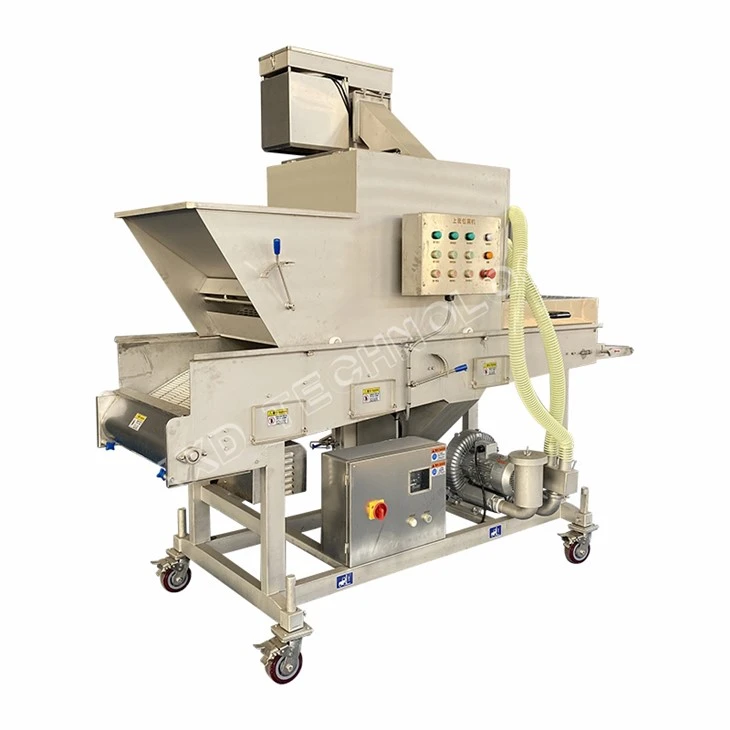

If you're in the market for a new batter breading machine or need advice on maintaining your existing one, don't hesitate to reach out. We're here to help you make the most of your equipment and keep your production running smoothly. Whether you're interested in a Tempura Battering Machine or any other type of batter and breading equipment, we've got you covered. Contact us today to start a conversation about your specific needs.
References
- Industry best practices for food processing equipment maintenance.
- Manufacturer's manuals for batter breading machines.