

Transporting a Rotary Water Spray Retort is a critical process that requires careful planning, specialized knowledge, and strict adherence to safety and logistical guidelines. As a supplier of Rotary Water Spray Retorts, I understand the importance of ensuring that these valuable and complex pieces of equipment reach their destination in perfect condition. In this blog post, I will share some essential tips and considerations for transporting a Rotary Water Spray Retort effectively.
Understanding the Rotary Water Spray Retort
Before delving into the transportation process, it's crucial to understand what a Rotary Water Spray Retort is and why it requires special handling. A Rotary Water Spray Retort is a sophisticated piece of equipment used in the food processing industry for the thermal processing of packaged food products. It uses a combination of water spray and rotation to ensure uniform heating and cooking of the food, which helps to preserve its quality, flavor, and nutritional value.
These retorts are typically large, heavy, and complex, with various components such as a pressure vessel, heating system, control panel, and rotating mechanism. They are also often customized to meet the specific requirements of the customer, which means that they may have unique dimensions, weights, and features. All of these factors make transporting a Rotary Water Spray Retort a challenging task that requires careful planning and execution.
Pre-Transportation Preparation
The first step in transporting a Rotary Water Spray Retort is to conduct a thorough pre-transportation preparation. This involves several important tasks, including:
Inspection and Maintenance
Before the retort is transported, it's essential to conduct a detailed inspection to ensure that it is in good working condition. This includes checking for any signs of damage, wear, or corrosion, and performing any necessary maintenance or repairs. It's also important to clean the retort thoroughly to remove any debris, dirt, or food residues that may have accumulated during its operation.
Disassembly and Packaging
In many cases, it may be necessary to disassemble the Rotary Water Spray Retort into smaller components for easier transportation. This should be done carefully, following the manufacturer's instructions, and ensuring that all components are labeled and packaged securely to prevent damage during transit. Each component should be wrapped in protective materials such as foam, bubble wrap, or cardboard, and placed in a sturdy crate or container.
Documentation
Proper documentation is essential for the transportation of a Rotary Water Spray Retort. This includes a detailed inventory of all components, a bill of lading, a packing list, and any other relevant documents such as certificates of compliance or warranties. It's also important to provide the transportation company with a clear set of instructions regarding the handling, loading, and unloading of the retort.
Transportation Planning
Once the retort has been prepared for transportation, the next step is to plan the logistics of the journey. This includes choosing the appropriate mode of transportation (such as truck, train, or ship), selecting a reliable transportation company, and obtaining any necessary permits or approvals. It's also important to consider the route, the estimated time of arrival, and any potential obstacles or challenges that may arise during the journey.
Choosing the Right Transportation Method
The choice of transportation method will depend on several factors, including the size and weight of the retort, the distance to be traveled, the destination, and the budget. Here are some of the most common transportation methods for Rotary Water Spray Retorts:
Truck Transportation
Truck transportation is the most common method for transporting Rotary Water Spray Retorts, especially for short to medium distances. It offers several advantages, including flexibility, door-to-door delivery, and the ability to transport the retort directly to the customer's facility. However, it also has some limitations, such as weight and size restrictions, and the potential for delays due to traffic or road conditions.
Train Transportation
Train transportation is a good option for transporting Rotary Water Spray Retorts over long distances, especially for heavy or oversized loads. It offers several advantages, including lower costs, greater capacity, and reduced environmental impact. However, it also has some limitations, such as the need for specialized loading and unloading equipment, and the potential for delays due to rail congestion or maintenance.
Ship Transportation
Ship transportation is the preferred method for transporting Rotary Water Spray Retorts overseas or to remote locations. It offers several advantages, including the ability to transport large and heavy loads, lower costs, and the ability to reach destinations that are not accessible by other means of transportation. However, it also has some limitations, such as longer transit times, the need for specialized handling and storage facilities, and the potential for damage due to rough seas or adverse weather conditions.
Loading and Unloading
Loading and unloading a Rotary Water Spray Retort is a critical process that requires careful attention to detail and strict adherence to safety guidelines. Here are some important tips for loading and unloading a retort safely and efficiently:
Use the Right Equipment
It's essential to use the right equipment for loading and unloading the retort, such as cranes, forklifts, or pallet jacks. The equipment should be in good working condition and rated for the weight and size of the retort. It's also important to ensure that the equipment is operated by trained and experienced personnel.
Follow the Manufacturer's Instructions
The manufacturer's instructions should be followed carefully when loading and unloading the retort. This includes using the correct lifting points, securing the retort properly, and avoiding any sudden movements or impacts that may cause damage. It's also important to ensure that the retort is level and stable during the loading and unloading process.
Take Safety Precautions
Safety should always be the top priority when loading and unloading a Rotary Water Spray Retort. This includes wearing appropriate personal protective equipment (PPE), such as hard hats, safety glasses, and gloves, and following all safety procedures and guidelines. It's also important to ensure that the work area is clear of any obstacles or hazards, and that all personnel are aware of the potential risks and how to avoid them.
In-Transit Monitoring
Once the Rotary Water Spray Retort has been loaded onto the transportation vehicle, it's important to monitor its condition during transit. This can be done using various methods, such as GPS tracking, vibration sensors, or temperature sensors. By monitoring the retort's condition in real-time, any potential problems or issues can be detected early and addressed promptly, reducing the risk of damage or delays.
Post-Transportation Installation and Commissioning
After the Rotary Water Spray Retort has arrived at its destination, it's important to install and commission it properly to ensure that it is operating safely and efficiently. This involves several important tasks, including:
Unpacking and Inspection
The first step in the installation process is to unpack the retort and inspect it for any damage or missing components. This should be done carefully, following the manufacturer's instructions, and ensuring that all components are accounted for and in good condition.
Installation
The retort should be installed in a suitable location, following the manufacturer's instructions and any relevant building codes or regulations. This includes ensuring that the retort is level, stable, and properly connected to the power supply, water supply, and drainage system.
Commissioning
Once the retort has been installed, it's important to commission it to ensure that it is operating properly. This involves conducting a series of tests and checks, such as pressure tests, temperature tests, and functionality tests, to ensure that the retort is meeting the specified performance requirements.
Conclusion
Transporting a Rotary Water Spray Retort is a complex and challenging process that requires careful planning, specialized knowledge, and strict adherence to safety and logistical guidelines. By following the tips and considerations outlined in this blog post, you can ensure that your Rotary Water Spray Retort is transported safely and efficiently, and that it arrives at its destination in perfect condition.
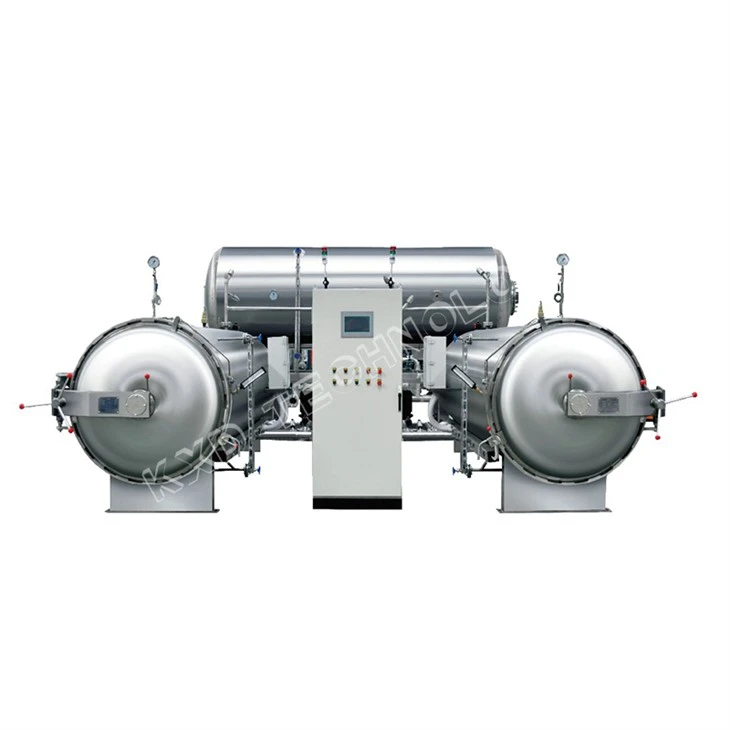

If you are in the market for a Rotary Water Spray Retort or other types of retort machines, such as Steam Retort Machine, please feel free to contact us for more information. Our team of experts will be happy to assist you with your purchasing decision and provide you with the best possible solutions for your food processing needs.
References
- Manufacturer's manuals and instructions for Rotary Water Spray Retorts
- Industry standards and guidelines for the transportation of heavy equipment
- Transportation regulations and requirements for different modes of transportation