

Hey there! As a supplier of Steam Retort Machine, I often get asked about the corrosion resistance of these machines. So, I thought I'd write a blog post to shed some light on this important topic.
First off, let's talk about what corrosion is. Corrosion is basically the gradual destruction of materials, usually metals, by chemical reactions with their environment. In the case of a steam retort machine, the main culprits are water, steam, and the various chemicals and acids that might be present in the food or beverage products being processed.
Now, why is corrosion resistance so crucial for a steam retort machine? Well, a corroded machine can lead to a whole bunch of problems. For starters, it can compromise the structural integrity of the machine. Over time, the corrosion can weaken the walls of the retort chamber, leading to leaks or even structural failures. This not only puts the machine out of commission but can also pose a safety risk to the operators.

Secondly, corrosion can contaminate the products being processed. If the inner surfaces of the retort are corroding, bits of metal or other contaminants can flake off and get into the food or beverage. This is a huge no - no in the food industry, where product safety and quality are of utmost importance.
So, how do we make sure our steam retort machines are corrosion - resistant?
Material Selection
The choice of materials is the first and most important step. We use high - grade stainless steel in the construction of our Steam Retort Machine. Stainless steel is known for its excellent corrosion resistance. It contains chromium, which forms a thin, protective oxide layer on the surface of the metal. This layer acts as a barrier, preventing oxygen and water from reaching the underlying metal and causing corrosion.
For example, 304 and 316 grades of stainless steel are commonly used in the food processing industry. 316 stainless steel, in particular, has added molybdenum, which enhances its resistance to pitting and crevice corrosion, making it ideal for use in environments where there might be exposure to saltwater or acidic substances.
Surface Treatment
In addition to using high - quality materials, we also apply special surface treatments to our machines. One common treatment is passivation. Passivation is a chemical process that removes free iron from the surface of the stainless steel and enhances the formation of the protective oxide layer. This makes the surface even more resistant to corrosion.
Another surface treatment we use is electropolishing. Electropolishing not only gives the machine a smooth, shiny finish but also removes any surface irregularities that could potentially trap moisture or chemicals, reducing the risk of corrosion.
Design Considerations
The design of the steam retort machine also plays a role in its corrosion resistance. We make sure that there are no areas where water or other liquids can collect. For example, the retort chamber is designed with proper drainage slopes so that any condensate or cleaning water can drain away quickly.
We also avoid creating crevices or tight spaces where corrosion can start. The joints and connections in the machine are carefully designed and sealed to prevent the ingress of water and chemicals.
Maintenance and Care
Even the most corrosion - resistant steam retort machine needs proper maintenance to keep it in top condition. We provide our customers with detailed maintenance instructions. Regular cleaning is essential to remove any residues that could potentially cause corrosion.
We recommend using mild, non - abrasive cleaners and avoiding harsh chemicals that could damage the protective oxide layer on the stainless steel. Also, after each use, the machine should be thoroughly dried to prevent the formation of rust.
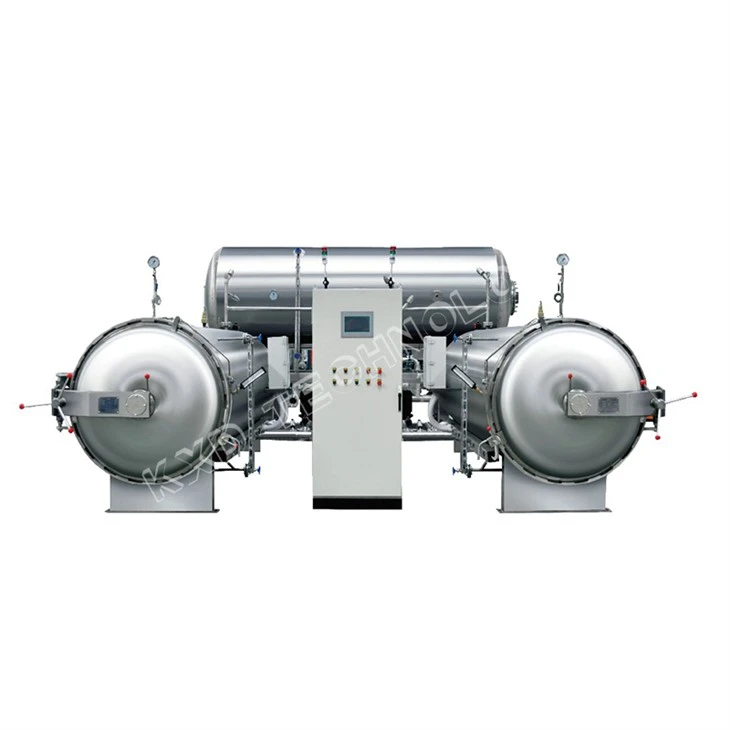
Let's take a look at one of our popular models, the Rotary Water Spray Retort. This machine is designed with all the above factors in mind. It's made of high - grade 316 stainless steel, which provides excellent corrosion resistance even in harsh operating conditions. The rotary design ensures uniform heating and better product quality, and at the same time, the water spray system helps in quick cooling and cleaning, reducing the time that the machine is exposed to potentially corrosive substances.
In real - world applications, our steam retort machines have proven their corrosion resistance. Many of our customers have been using our machines for years without any major corrosion - related issues. This not only saves them the cost of replacing or repairing the machines but also gives them peace of mind knowing that their products are being processed in a safe and reliable environment.
In conclusion, the corrosion resistance of a steam retort machine is a multi - faceted issue. It depends on the choice of materials, surface treatments, design, and proper maintenance. At our company, we take all these factors into account to ensure that our Steam Retort Machine and Rotary Water Spray Retort offer the best possible corrosion resistance.
If you're in the market for a steam retort machine and are concerned about corrosion resistance, we'd love to have a chat with you. Our team of experts can provide you with more detailed information and help you choose the right machine for your specific needs. Whether you're a small - scale food producer or a large - scale industrial operation, we've got the solution for you. Don't hesitate to reach out and start a conversation about your procurement needs.
References
- ASM Handbook Volume 13A: Corrosion: Fundamentals, Testing, and Protection
- Stainless Steel World Magazine - Articles on corrosion resistance in food processing equipment
- "Corrosion in the Food Industry" - A technical report from a leading food industry research institute