

Hey there! As a supplier of Rotary Water Spray Retorts, I'm stoked to dive into the nitty - gritty of its manual operation mode. Let's get started!
What's a Rotary Water Spray Retort?
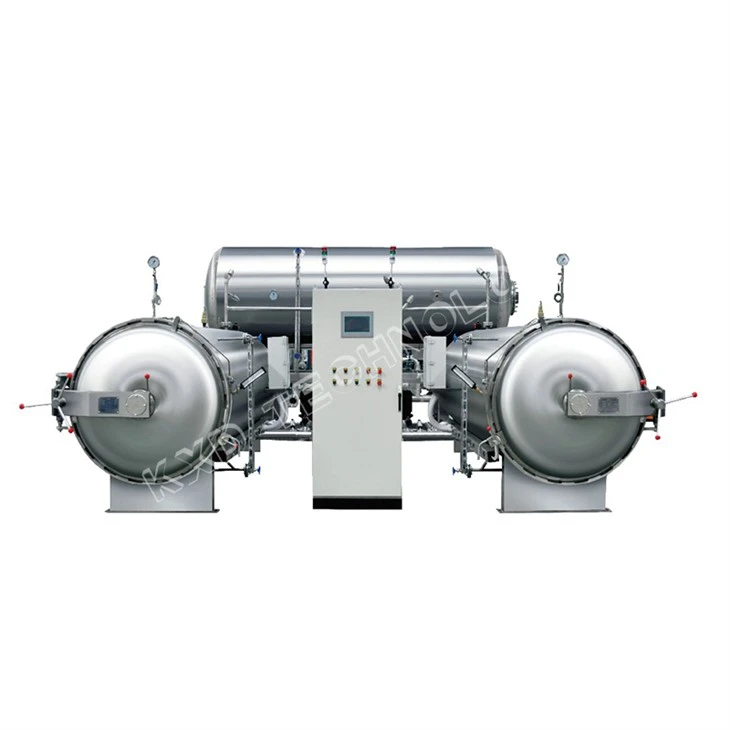
Before we jump into the manual operation mode, let me give you a quick rundown of what a Rotary Water Spray Retort is. It's a key piece of equipment in the food processing industry. This bad boy is used to sterilize food products, extending their shelf - life and keeping them safe for consumption. It works by using high - pressure steam and water spray to heat up the food inside sealed containers, killing off harmful bacteria and microorganisms. You can learn more about it Rotary Water Spray Retort.
Why Manual Operation?
You might be wondering, "Why would I want to use the manual operation mode when there are automated options?" Well, there are a few good reasons. Sometimes, you're dealing with a new product or a special recipe, and you need to have more hands - on control. Manual operation allows you to fine - tune every step of the process, making sure the sterilization is just right. It's also great for troubleshooting. If something goes wrong with the automated system, you can switch to manual and still get the job done.
The Manual Operation Steps
1. Pre - operation Checks
First things first, you've got to do a thorough pre - operation check. Make sure all the valves are in the right position. Check the water level in the retort. You don't want it to be too low or too high. Also, inspect the seals on the doors and any other openings. A leaky seal can mess up the whole sterilization process. And don't forget to check the pressure gauges and temperature sensors. You need accurate readings to operate the retort safely and effectively.
2. Loading the Retort
Once you've completed the pre - operation checks, it's time to load the retort. Carefully place the food containers inside. Make sure they're evenly spaced so that the steam and water spray can reach all of them. You don't want any containers blocking the flow of steam or water. This step is crucial because uneven loading can lead to uneven sterilization, which means some products might not be properly treated.

3. Closing the Door
After loading, close the retort door tightly. You need to make sure it's sealed properly. There are usually locking mechanisms on the door. Engage them to ensure a secure fit. A loose door can cause pressure to escape, reducing the effectiveness of the sterilization process and potentially being dangerous.
4. Starting the Heating Process
Now, it's time to start heating. In manual mode, you'll have to control the steam supply. Open the steam valve slowly. You want to gradually increase the pressure inside the retort. Keep an eye on the pressure gauge. You don't want to raise the pressure too quickly, as this can damage the containers or cause other issues. At the same time, monitor the temperature. The goal is to reach the desired sterilization temperature, which is usually around 121°C (250°F) for most food products.
5. Maintaining the Sterilization Conditions
Once you've reached the right temperature and pressure, you need to maintain these conditions for a specific period. This is called the holding time. The length of the holding time depends on the type of food, the size of the containers, and other factors. In manual operation, you'll have to keep adjusting the steam valve to keep the pressure and temperature steady. It's a bit like being a chef, constantly monitoring and adjusting the heat on the stove.
6. Water Spray Operation
During the sterilization process, the water spray system also plays an important role. You can control the water spray manually. The water spray helps to distribute the heat evenly inside the retort. Open the water spray valve at the appropriate time. You can adjust the flow rate of the water spray according to the needs of the sterilization process. This helps in preventing hot spots and ensuring that all the food containers are treated equally.
7. Cooling Down
After the holding time is up, it's time to cool down the retort. Close the steam valve first. Then, open the cooling water valve. The cooling water will flow into the retort, bringing down the temperature. Again, you need to monitor the temperature and pressure during this process. You don't want to cool it down too quickly, as this can cause the containers to crack or break.
8. Unloading the Retort
Once the retort has cooled down to a safe temperature, you can unlock the door and unload the food containers. Be careful when handling them, as they might still be a bit warm. Check the products for any signs of damage or improper sterilization.
Comparing with Steam Retort Machine
You might be thinking about how a Rotary Water Spray Retort compares to a Steam Retort Machine. While both are used for food sterilization, there are some differences. A Steam Retort Machine mainly uses steam for sterilization. It's a bit more straightforward in terms of operation, but it might not be as effective in distributing heat evenly as a Rotary Water Spray Retort. The water spray in the Rotary Water Spray Retort helps to eliminate hot spots and ensures better heat transfer, resulting in more consistent sterilization.
Tips for Manual Operation
- Keep a log: Write down all the settings, times, and any observations during the manual operation. This will help you troubleshoot in the future and also improve your process.
- Train your staff: Make sure anyone who operates the retort in manual mode is well - trained. They should understand all the steps and safety procedures.
- Regular maintenance: Even if you're using the manual mode, regular maintenance of the retort is essential. This includes cleaning, lubricating moving parts, and replacing worn - out components.
Conclusion
The manual operation mode of a Rotary Water Spray Retort gives you a high level of control over the food sterilization process. It's a valuable option, especially when dealing with unique products or when the automated system malfunctions. By following the steps I've outlined above and keeping these tips in mind, you can ensure safe and effective operation.
If you're in the market for a Rotary Water Spray Retort or have any questions about its operation, whether manual or automated, don't hesitate to reach out. We're here to help you make the best choice for your food processing needs.
References
- Food Processing Technology: Principles and Practice, Third Edition by P.J. Fellows
- Handbook of Food Preservation, Second Edition edited by M.S. Rahman