

The price range of food forming machines can vary significantly depending on several factors, including the type of machine, its capacity, features, and the level of automation. As a food forming machine supplier, I've had the opportunity to work with a wide range of customers and understand the diverse needs and budgets in the market. In this blog post, I'll delve into the factors that influence the price of food forming machines and provide an overview of the typical price ranges you can expect.
Factors Affecting the Price of Food Forming Machines
Type of Machine
Different types of food forming machines are designed to produce various food products, such as burgers, chicken nuggets, dumplings, and more. Each type of machine has its own unique design, functionality, and manufacturing complexity, which directly impacts its price. For example, a Chicken Nuggets Forming Machine is specifically engineered to shape chicken meat into the iconic nugget shape. These machines often require precise cutting and molding mechanisms to ensure consistent size and shape of the nuggets. On the other hand, a Chicken Nugget Maker Machine may have additional features like batter coating or frying capabilities, which can increase its price.
Capacity
The production capacity of a food forming machine is another crucial factor that affects its price. Machines with higher capacities are designed to produce a larger quantity of food products per hour or per day. These high-capacity machines typically require more robust components, larger motors, and advanced control systems to handle the increased workload. As a result, they are generally more expensive than machines with lower capacities. For instance, a small-scale Industrial Burger Making Machine that can produce a few hundred burgers per hour may be more affordable for a small restaurant or a startup food business. In contrast, a large industrial machine capable of producing thousands of burgers per hour will be significantly more expensive, but it offers higher productivity and efficiency for large-scale food production facilities.
Features and Automation
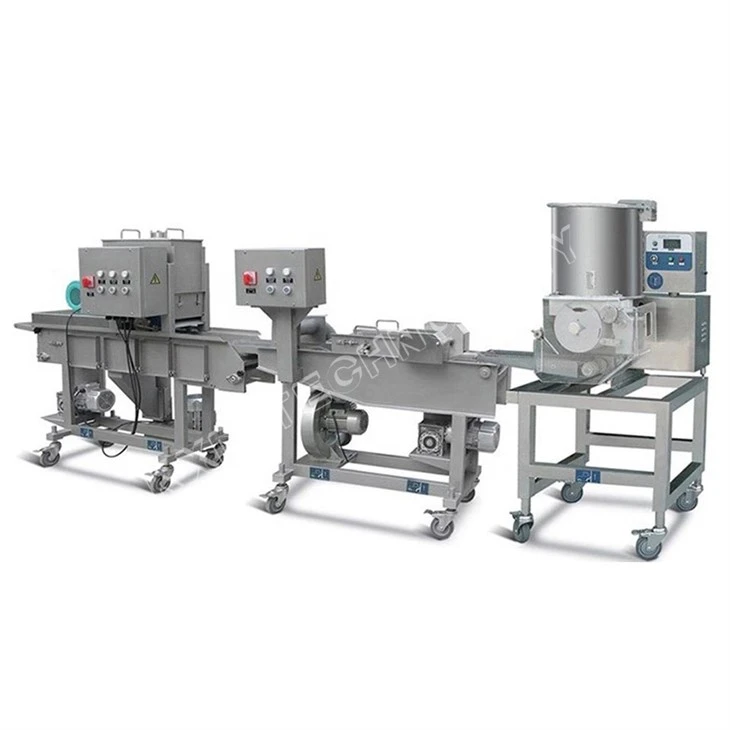
The level of automation and additional features incorporated into a food forming machine also play a significant role in determining its price. Machines with advanced automation features, such as programmable logic controllers (PLCs), touchscreen interfaces, and automatic feeding and discharging systems, offer greater precision, consistency, and ease of operation. These features reduce the need for manual labor, minimize human error, and improve overall production efficiency. However, they also add to the cost of the machine. For example, a fully automated chicken nugget forming machine may have sensors to detect the size and weight of each nugget, ensuring uniform quality. It may also have a self-cleaning function, which reduces downtime and maintenance costs. These additional features come at a premium price compared to a basic, manually operated machine.

Build Quality and Materials
The quality of the materials used in the construction of a food forming machine and its overall build quality can impact its price. Machines made from high-quality stainless steel or other durable materials are more resistant to corrosion, wear, and tear, and are designed to withstand the harsh conditions of a food production environment. They also offer better hygiene and food safety standards, which are essential in the food industry. Additionally, machines with a solid and well-engineered design are less likely to break down, reducing maintenance and repair costs over the long term. While these high-quality machines may have a higher upfront cost, they often provide better value for money in the long run.
Price Ranges of Different Food Forming Machines
Small-Scale and Entry-Level Machines
For small businesses, startups, or those with limited production requirements, there are small-scale and entry-level food forming machines available at relatively affordable prices. These machines typically have lower capacities and fewer advanced features, but they can still meet the basic needs of producing food products. For example, a basic manual chicken nugget maker machine may cost anywhere from $500 to $2,000. These machines are usually suitable for small restaurants, cafes, or home-based food businesses that produce a small quantity of chicken nuggets on a daily basis. Similarly, a small-scale burger making machine with a capacity of a few hundred burgers per hour can be found in the price range of $1,000 to $3,000.
Mid-Range Machines
Mid-range food forming machines offer a balance between capacity, features, and price. They are suitable for medium-sized food production facilities or businesses that require a higher level of productivity and quality control. A mid-range Chicken Nuggets Forming Machine with a capacity of several thousand nuggets per hour and some basic automation features may cost between $5,000 and $15,000. These machines often come with programmable settings for adjusting the size and shape of the nuggets, and may have a semi-automatic feeding system. A mid-range industrial burger making machine with a capacity of 1,000 to 3,000 burgers per hour and features like automatic patty forming and weighing can range from $8,000 to $20,000.
High-End and Industrial Machines
High-end and industrial food forming machines are designed for large-scale food production facilities that require maximum productivity, precision, and reliability. These machines are equipped with the latest technology, advanced automation features, and high-quality components to meet the demands of continuous, high-volume production. A fully automated chicken nugget maker machine with a capacity of tens of thousands of nuggets per hour, multiple coating stations, and sophisticated quality control systems can cost upwards of $50,000. Similarly, an industrial burger making machine with a high-capacity production line, integrated conveyor systems, and advanced automation can cost between $30,000 and $100,000 or more, depending on the specific features and customization requirements.
Conclusion
The price range of food forming machines can vary widely depending on the type of machine, its capacity, features, build quality, and materials. When considering the purchase of a food forming machine, it's important to carefully evaluate your production needs, budget, and long-term goals. While it may be tempting to opt for the cheapest machine available, it's essential to consider the overall value and performance of the machine. Investing in a high-quality machine with the right features and capacity can lead to increased productivity, improved product quality, and lower operating costs over the long term.
If you're in the market for a food forming machine and have specific requirements or questions about pricing, please feel free to contact us. Our team of experts is ready to assist you in selecting the right machine for your business and providing you with a detailed quote. We offer a wide range of food forming machines to suit different budgets and production needs, and we're committed to providing excellent customer service and support.
References
- Food Processing Machinery: Principles and Applications by Peter J. Fellows
- Handbook of Food Engineering Operations by Datta and Anantheswaran
- Industrial Food Processing Technology by L. M. M. Toldrá