

Can a retort machine be used for processing spices? This is a question that often arises among food manufacturers and spice producers. As a retort machine supplier, I have had the opportunity to explore this topic in depth and understand the potential of retort machines in spice processing.
Understanding Retort Machines
Retort machines are widely used in the food industry for the thermal processing of various food products. They work by subjecting the food to high temperatures and pressures in a sealed chamber, effectively killing bacteria, yeasts, and molds, and extending the shelf life of the product. There are different types of retort machines available, each with its own unique features and advantages. For instance, the Steam Retort Machine uses steam as the heating medium, while the Rotary Water Spray Retort combines water spray and rotation to ensure uniform heating.
The Potential of Retort Machines in Spice Processing
Spices are an essential part of the food industry, adding flavor, aroma, and color to a wide range of dishes. However, spices can also be a source of microbial contamination, which can pose a risk to consumer health. Traditional methods of spice processing, such as drying and grinding, may not always be sufficient to eliminate all harmful microorganisms. This is where retort machines come in.
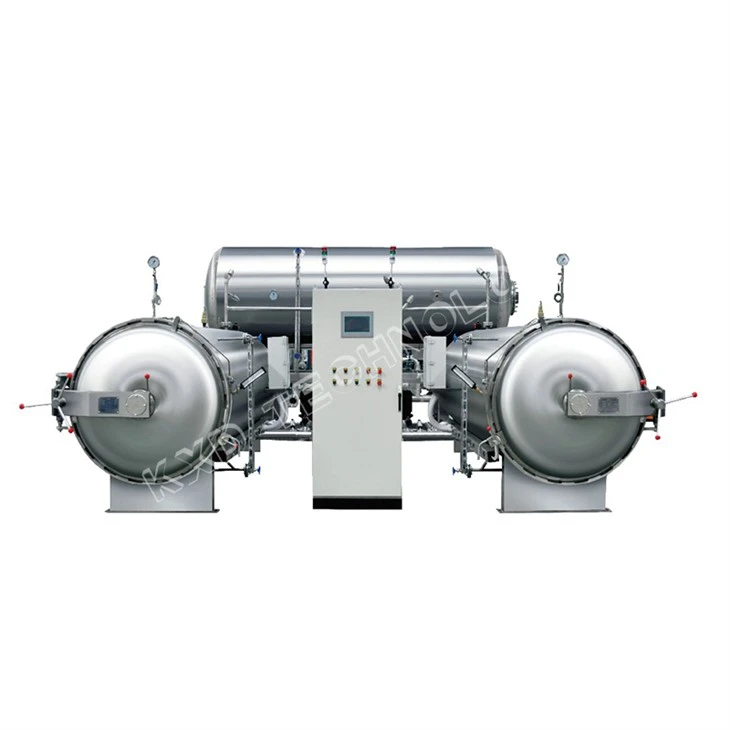

Microbial Reduction
One of the primary benefits of using a retort machine for spice processing is its ability to reduce microbial load. The high temperatures and pressures inside the retort chamber can effectively kill a wide range of bacteria, including Salmonella, E. coli, and Listeria, as well as fungi and yeasts. This helps to ensure the safety and quality of the spices, reducing the risk of foodborne illnesses.
Preservation of Flavor and Aroma
Another important consideration in spice processing is the preservation of flavor and aroma. Unlike some other thermal processing methods, retort machines can be designed to operate at relatively low temperatures for a short period of time, which helps to minimize the loss of volatile flavor and aroma compounds. Additionally, the sealed environment of the retort chamber prevents the escape of these compounds, ensuring that the spices retain their characteristic taste and smell.
Extended Shelf Life
By reducing the microbial load and preserving the flavor and aroma of the spices, retort machines can significantly extend their shelf life. This is particularly important for spices that are exported or stored for long periods of time. With a longer shelf life, spice producers can reduce waste and increase their profitability.
Factors to Consider When Using a Retort Machine for Spice Processing
While retort machines offer many benefits for spice processing, there are also some factors that need to be considered to ensure optimal results.
Spice Characteristics
Different spices have different physical and chemical properties, which can affect the processing conditions required. For example, some spices may be more sensitive to heat and pressure than others, and may require lower temperatures or shorter processing times. It is important to understand the characteristics of the spices being processed and adjust the retort machine settings accordingly.
Packaging
The type of packaging used for the spices can also have an impact on the effectiveness of the retort process. The packaging must be able to withstand the high temperatures and pressures inside the retort chamber without leaking or bursting. Additionally, it should provide a good barrier against oxygen and moisture to prevent spoilage.
Process Optimization
To achieve the best results, it is essential to optimize the retort process for each specific type of spice. This may involve conducting trials to determine the optimal temperature, pressure, and processing time. It is also important to monitor the process closely to ensure that the desired level of microbial reduction is achieved without compromising the quality of the spices.
Case Studies
There have been several successful applications of retort machines in spice processing. For example, a spice manufacturer was able to reduce the microbial load of their ground cumin by over 99% using a steam retort machine. The processed cumin retained its flavor and aroma, and had a significantly longer shelf life compared to the untreated product.
Another case involved a producer of spice blends. By using a rotary water spray retort, they were able to achieve uniform heating of the blends, resulting in consistent quality and improved flavor. The retort process also helped to extend the shelf life of the blends, allowing them to be sold in markets further away from the production facility.
Conclusion
In conclusion, retort machines can be a valuable tool for spice processing. They offer a number of benefits, including microbial reduction, preservation of flavor and aroma, and extended shelf life. However, it is important to consider the specific characteristics of the spices being processed, the type of packaging used, and to optimize the retort process to achieve the best results.
If you are a spice producer or food manufacturer interested in exploring the use of retort machines for spice processing, I encourage you to contact us. Our team of experts can provide you with more information about our retort machines, as well as help you determine the best solution for your specific needs. We look forward to the opportunity to work with you and help you take your spice processing to the next level.
References
- Food and Agriculture Organization of the United Nations. (2018). Guidelines for the Hygienic Processing of Spices.
- Smith, J. (2019). Thermal Processing of Spices: A Review. Journal of Food Science and Technology, 56(3), 1023 - 1032.
- Jones, A. (2020). The Impact of Retort Processing on the Quality of Spices. International Journal of Food Microbiology, 315, 108567.